

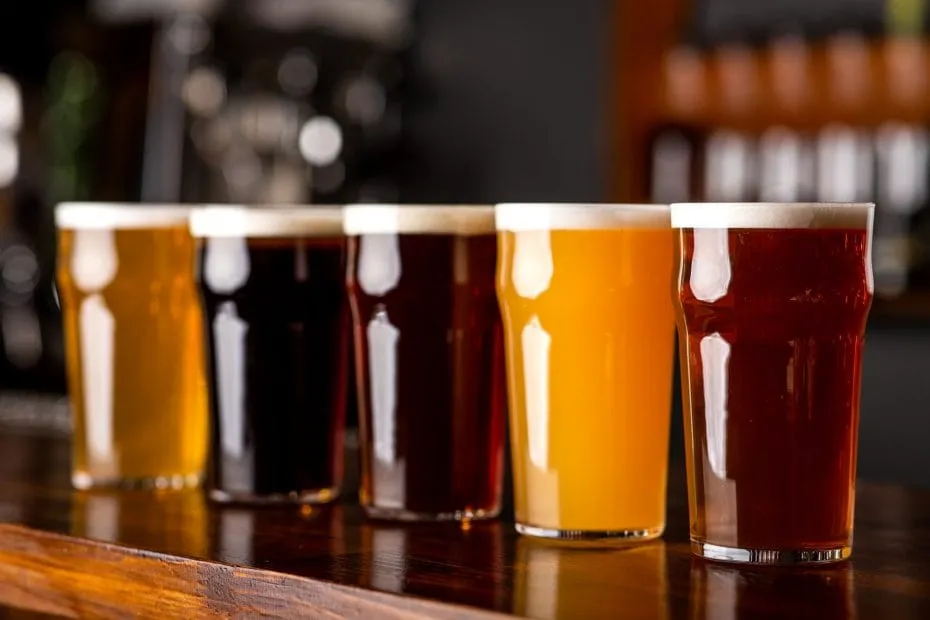
Walk into almost any traditional pub in Brighton and you will spot a row of tall handpulls on the bar, each with a colourful clip showing the name of a beer. Those pumps serve real ale, the cask beer that has been part of British pub life for centuries. If you usually stick to lager, the choice can look a little daunting. It needn't be. Here is a simple guide to what real ale is and how to enjoy it.
What makes an ale "real"?
Real ale, also called cask ale or cask-conditioned beer, is beer that finishes its fermentation in the cask it is served from. It is not filtered or pasteurised, and no extra gas is added to make it fizzy. Instead, the bar staff draw it up from the cellar by hand using the pump on the bar, which is why you will see them pulling those long handles.
The result is a beer with a softer, gentler sparkle than keg beer and more of the malt and hop flavour coming through. It is served at cool cellar temperature rather than ice cold, because chilling it too much would hide those flavours.
Reading the pump clips
Each pump clip usually tells you the beer's name, the brewery, the strength (ABV) and sometimes the style. A few of the styles you are likely to meet:
- Bitter and best bitter: amber or copper coloured, malty and easy drinking, the classic pub pint.
- Golden and pale ales: lighter in colour, often citrusy or floral from the hops, a good starting point if you normally drink lager.
- Mild: dark, smooth and usually lower in strength.
- Porter and stout: very dark, with roasted flavours of coffee and chocolate.
Breweries also make seasonal ales, so the line-up on the bar can change from week to week. That is half the fun.
How to order with confidence
There is no secret code. Simply ask for a pint or a half of the beer by name. If you are unsure, ask the bar staff what they would recommend or whether you can try a small taster first. Most real ale pubs are happy to offer one, and staff who look after their cask beer tend to enjoy talking about it.
A good tip is to start with something light and work your way towards the darker, stronger beers if you are trying more than one. And remember that some ales are a lot stronger than others, so keep an eye on the ABV and pace yourself.
Why a well-kept cellar matters
Because cask beer is a living product, it needs care. The cellar has to be kept at the right temperature, the casks need time to settle, and once a cask has been opened the beer should be sold within a few days while it is at its best. That is why a pub's reputation for real ale says a lot about how well it is run.
A well-kept pint should look bright and taste fresh. If yours tastes sour or flat when it shouldn't, it is perfectly acceptable to mention it politely at the bar. A good landlord would rather know.
What to eat with it
Real ale and pub grub were made for each other. A crisp golden ale goes nicely with beer-battered fish and chips, a malty bitter suits a pie or a Sunday roast, and a dark stout or porter stands up well to rich stews and even chocolate puddings.
The best way to find your favourite is simply to try a few. Start at one of the city's traditional pubs, pull up a stool and ask what is on. Cheers!